
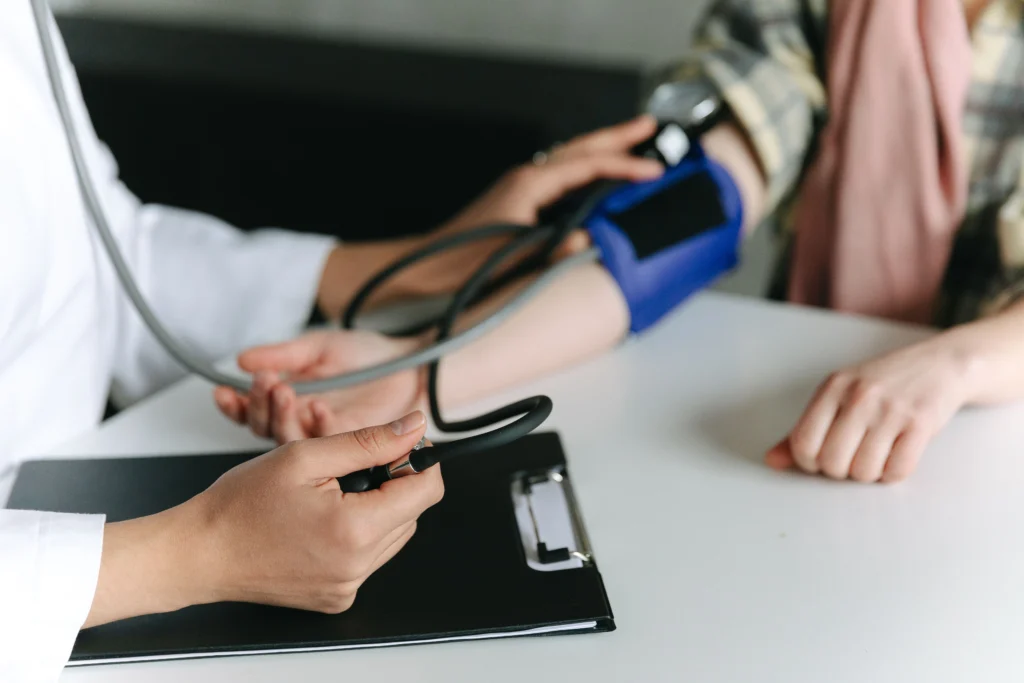
Occupational Health in Gibraltar: Why every business needs a fitness-for-work strategy in 2026
A single unplanned sick day rarely breaks a business. A poorly managed return to work, an employee sent back too soon, or a safety-critical role filled without the right medical clearance — that’s what actually costs Gibraltar companies money, morale and, in some cases, their licence to operate. As regulatory expectations around GMC, OEUK and local workplace standards continue to tighten, occupational health in Gibraltar has moved from a discretionary perk to a core part of running a responsible business. Here’s what employers on the Rock need to know heading into 2026.
What occupational health actually covers
Occupational health sits between clinical medicine and the day-to-day reality of the workplace. Rather than treating an illness in isolation, an occupational health physician looks at the relationship between a person’s health and their job: can they safely carry out their duties, what adjustments might help them do so, and what risks — physical or psychological — does the role itself create?
For a jurisdiction like Gibraltar, with its dense mix of financial services, online gaming, maritime and offshore energy employers, that relationship isn’t abstract. A finance company managing long-term stress-related absence, a shipping agent needing offshore medicals for crew, and a warehouse needing a safety-critical driver cleared for duty are all, in the end, asking the same question: is this person fit, safely and legally, to do this job?
Fitness-for-Work Assessments: Protecting the business and the employee
A fitness-for-work assessment is one of the most common — and most misunderstood — occupational health services. Done properly, it isn’t a box-ticking exercise; it’s an independent, evidence-based judgement on whether an employee can perform their specific role safely, with or without adjustments.
Getting this wrong in either direction is expensive. Clear someone who isn’t actually fit for a physically or mentally demanding role, and you’re exposed to safety incidents and liability. Keep someone off work longer than necessary because nobody gave a clear medical opinion, and you’re paying for lost productivity that a proper assessment could have resolved in a single appointment.
Sickness absence doesn't manage itself
Long-term sickness absence is one of the quiet cost centres in most Gibraltar businesses — expensive precisely because it’s rarely tracked as closely as it should be. Structured sickness absence and case management gives employers something HR teams often lack: an independent, clinically grounded view of a complex case, paired with a realistic, staged return-to-work plan.
This matters most in the cases that drag on — recurring back pain, post-surgical recovery, or the mental health cases discussed below — where a generic GP fit note doesn’t tell an employer much about timelines, restrictions, or what support would actually help.
A sector Gibraltar can't ignore: Maritime, offshore and safety-critical Roles
Gibraltar’s position as a bunkering and maritime hub, plus its energy-sector links, means a meaningful slice of the local workforce needs medical clearance that goes well beyond a standard check-up. Offshore and maritime workers typically require certification from an OEUK registered doctor, while roles such as MOD-linked positions, DVLA-regulated driving duties, or other safety-critical functions carry their own specific medical requirements.
This is a specialised corner of occupational health. If your business operates offshore or in the maritime sector, our guide on OEUK Medicals in Gibraltar: What Offshore and Maritime Workers Need to Know walks through exactly what’s required and how certification works. The key point for now: generic medicals don’t satisfy these requirements, and getting it wrong can mean a worker is turned away at the point of deployment.
The piece most occupational health providers miss: Mental Health
Stress, anxiety and burnout are now among the leading causes of long-term sickness absence almost everywhere, and Gibraltar is no exception. Yet many occupational health assessments still focus almost entirely on physical fitness, treating psychological wellbeing as a separate — and separately commissioned — service.
An integrated physical and mental health assessment avoids that split. Instead of a physical fitness-for-work opinion and a mental health opinion arriving from two different places, weeks apart, one clinician with training across both areas can give a single, coherent, legally sound recommendation — which matters enormously in complex cases where physical symptoms and psychological strain are tangled together, as they very often are.
Who's behind Midtown Clinic's Occupational Health Service
Midtown Clinic’s occupational health service is led by Dr Mariana Dumitriu, a GMC-registered Occupational Health Physician with over 25 years of clinical experience spanning corporate health, disability medicine and general practice. She is an OEUK Registered Doctor, a GMC Responsible Officer, and holds additional training in psychotherapy and counselling — which is precisely what makes the integrated approach above possible in practice rather than just in theory.
You can read more about her full background and credentials in Meet Dr Mariana Dumitriu: Gibraltar’s New Occupational Health Physician.
What this means for your business today
Whether it’s a single fitness-for-work assessment, an offshore medical for a crew member, or a broader corporate wellness strategy, the businesses that get ahead of occupational health tend to spend less on it in the long run than the ones that only engage with it after something has gone wrong.
If you’re a Gibraltar employer weighing up where to start, Midtown Clinic’s occupational health service is a reasonable first call — from fitness-for-work and safety-critical medicals to sickness absence management and workplace wellness support, all under one roof.
Call reception on +350 200 62222 to discuss what your business needs.
Frequently asked questions about Occupational Health in Gibraltar
What is occupational health?
Occupational health is the branch of medicine focused on the relationship between a person's health and their job. An occupational health physician typically assesses:
- Whether someone can safely carry out their specific duties.
- What adjustments might help them do so.
- What risks — physical or psychological — the role itself creates.
What is a fitness-for-work assessment?
It's an independent, evidence-based evaluation of whether an employee can perform their particular role safely, with or without adjustments.
Done properly, it protects:
- The business, from safety incidents and liability.
- The employee, from being cleared for duties they aren't actually fit to perform.
Do small businesses need occupational health support, or is it only for large employers?
Business size doesn't reduce the risk of a disputed fitness-for-work case or a long-term sickness absence that drags on without a clear medical opinion.
A single unclear case can cost a small Gibraltar business more, proportionally, than a large one with an in-house HR team.
Does occupational health cover mental health, or just physical fitness?
A genuinely integrated service assesses physical and mental health together, rather than treating them as separate services handled by different clinicians. This matters because stress, anxiety and burnout are now among the leading causes of long-term sickness absence, and are often tangled up with physical symptoms.
Do offshore or maritime workers need a different kind of medical?
Yes — workers in Gibraltar's maritime and offshore energy sector typically need an OEUK medical rather than a standard fitness-for-work assessment, issued specifically by an OEUK Registered Doctor.